

Project Overview
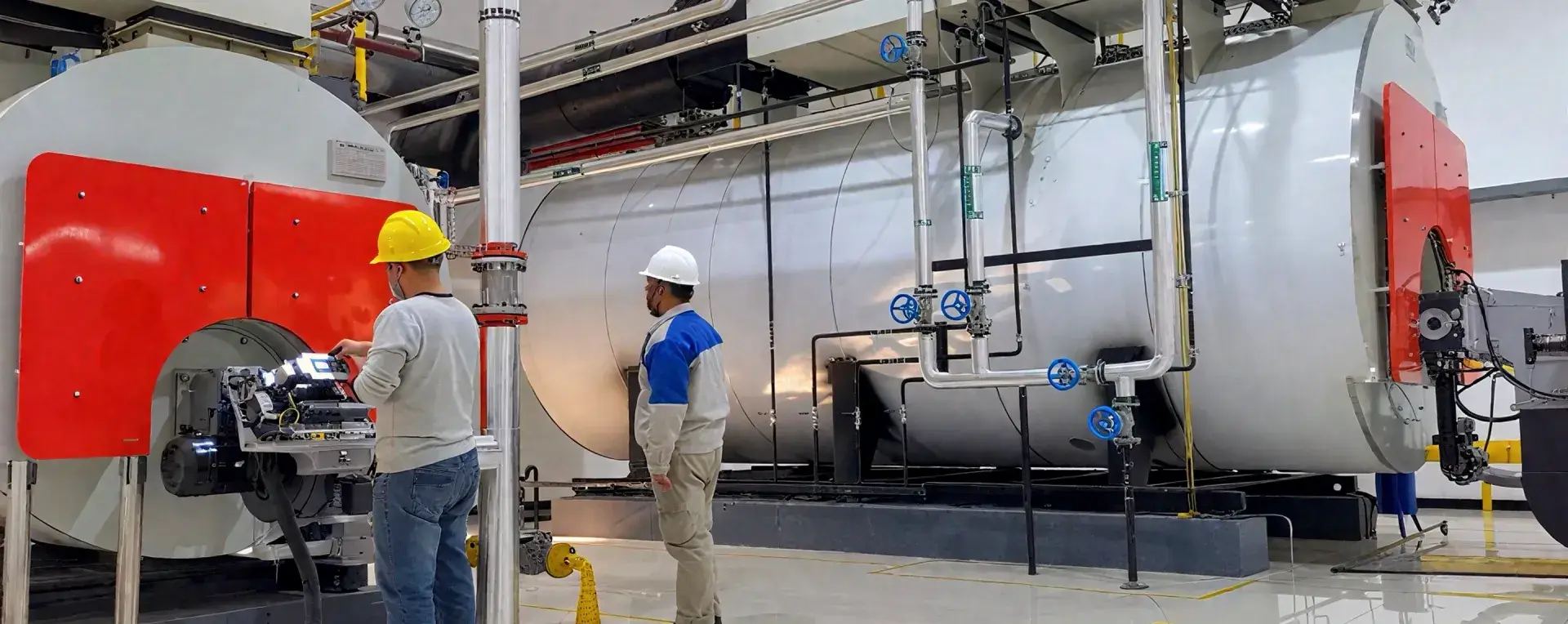
A government administrative office park in Hanoi serves as a key local government office complex, comprising office buildings and civil servant dormitories. Winter heating not only affects staff comfort but also directly impacts the efficient delivery of government services. With ever-increasing demands for energy conservation, reduced consumption, and environmental protection, the existing heating system suffered from issues such as high energy consumption, insufficient stability, and non-compliant emissions, making an upgrade and renovation urgently necessary. After a comprehensive evaluation of multiple boiler manufacturers and a comparison of their proposals, the park’s management ultimately chose to partner with Huanuo Boilers to implement a differentiated clean heating solution.
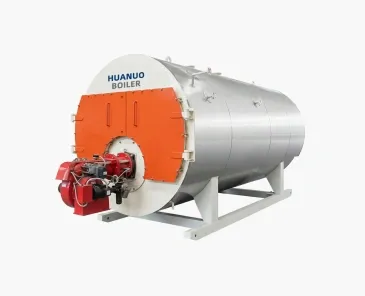
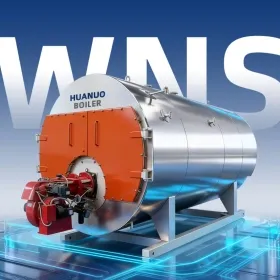
WNS12-1.25-Q
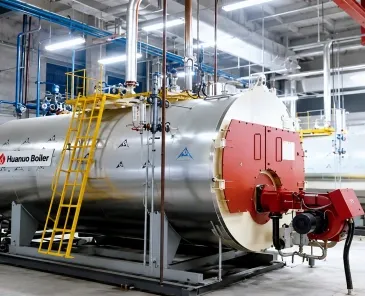
WNS12-1.25-Q
Solution
uo Boilers’ technical team conducted an in-depth study of the park’s architectural characteristics and operational requirements:As daytime work spaces, the office areas require high precision in temperature control and rapid response times, necessitating precise, time- and zone-based heating;The dormitory areas, being living spaces, place greater emphasis on heating comfort and quiet operation.Based on this, Huanuo Boiler innovatively proposed a differentiated heating solution:
Request a Solution
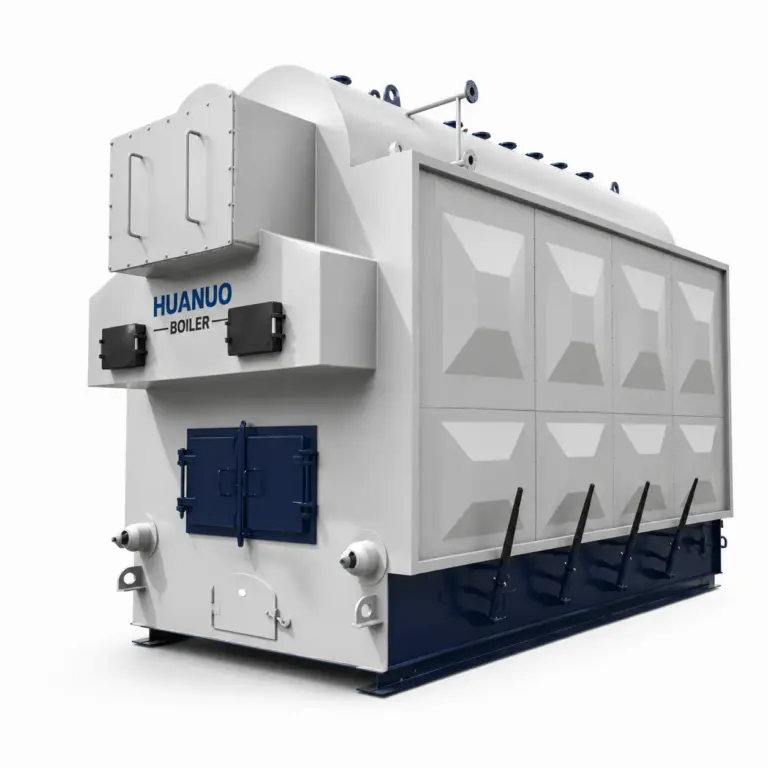
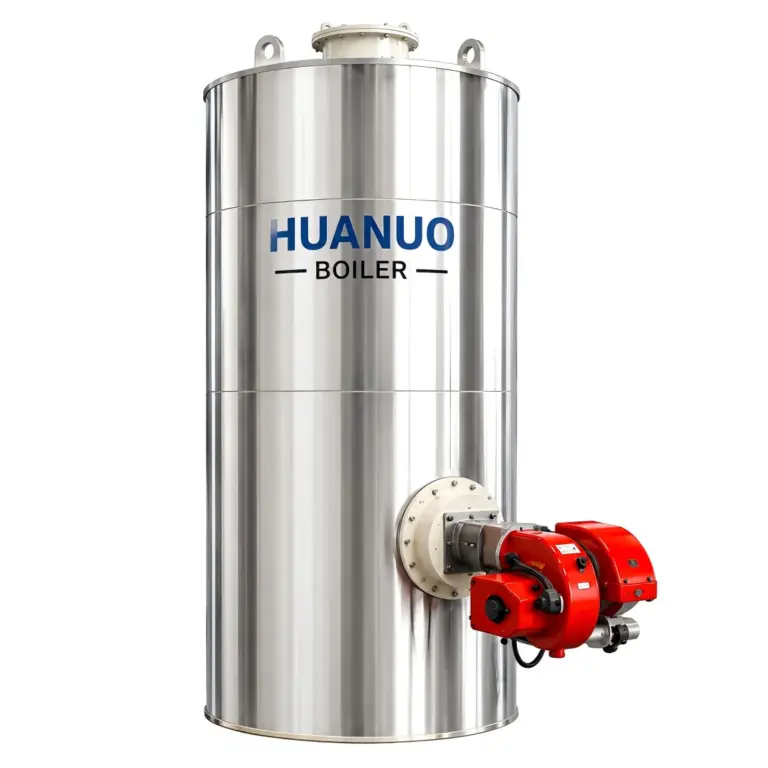
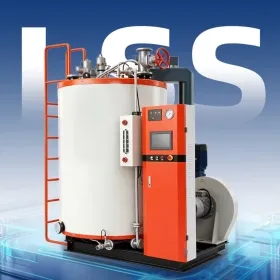
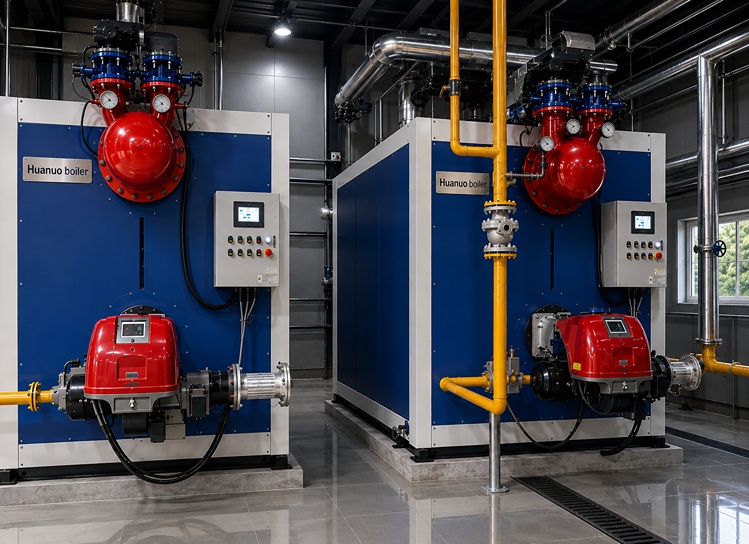
Equipped with one Huanuo ZWNS2.8-1.0/95/70-Q low-nitrogen vacuum hot water boiler. This unit delivers rapid response and precise temperature control, meeting the office area’s needs for time- and zone-specific heating, while its vacuum operation design ensures safety and reliability.
Equipped with one Huano ZKS2.1-85/60-Q low-nitrogen vacuum hot water boiler. This boiler provides stable heating temperatures and operates quietly and comfortably, fully ensuring a pleasant living experience.
Through intelligent interlinked control, the two systems maximize overall energy efficiency while balancing comfort and energy savings.
Core Project Advantages
The dual-system collaboration perfectly adapts to the heating needs of both office and residential environments.
After 20 consecutive days of operational monitoring, all system performance metrics exceeded design standards, and environmental indicators far surpassed local industry requirements.
Energy consumption and O&M costs during the heating season were significantly reduced, enabling green, low-carbon operation.
It provides a replicable model for comprehensive heating renovations in government facilities with “office + residential” configurations.

Client Testimonial

Le Quang Minh
Head of Park Facilities Management

Carlos M.
Director of Plant Operations
Carlos M.
Director of Plant Operations
Carlos M.
Director of Plant Operations