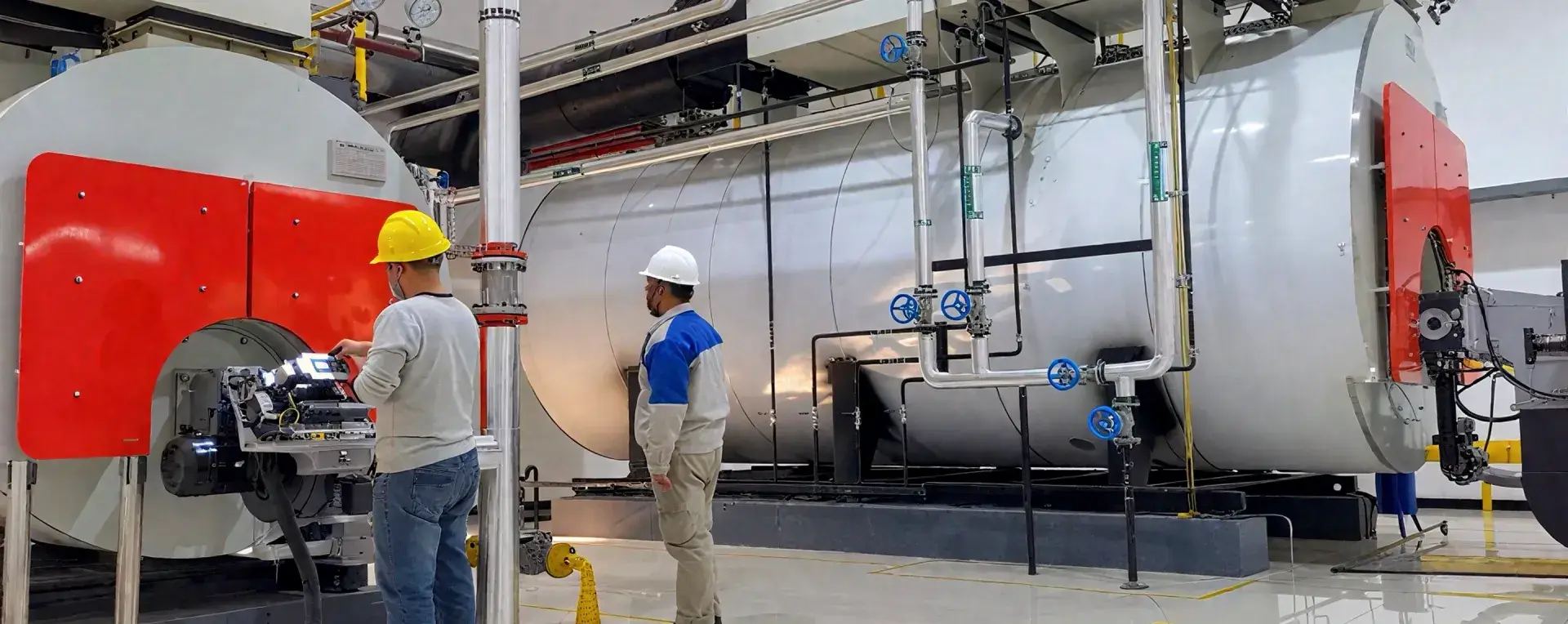
Project Overview
India possesses a relatively well-developed industrial base in the ceramics, building materials, and manufacturing sectors. In the production of ceramic tiles, sanitaryware, and other building materials, the drying of raw materials and green bodies, as well as related heat treatment processes, require a long-term, stable supply of industrial hot air. As the client’s production scale expanded, the existing hot air system gradually faced issues such as insufficient heating capacity, limited fuel adaptability, and high labor intensity. The customer sought to establish a thermal energy system capable of supporting continuous production, meeting industrial hot air demands above 200°C, and allowing for flexible fuel selection based on local fuel supply conditions. After a comprehensive evaluation of equipment performance, hot air temperature, fuel adaptability, automation configuration, and long-term operational reliability, the customer ultimately selected the WRF series industrial hot air furnace solution provided by Huanuo Boiler.
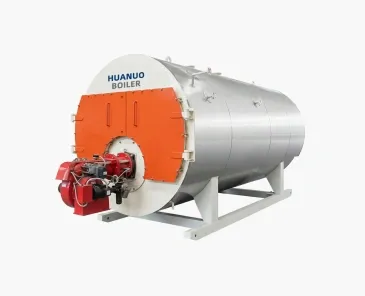
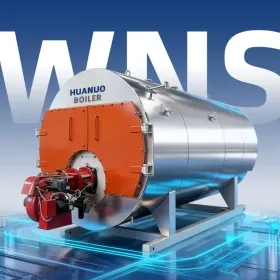
WNS12-1.25-Q
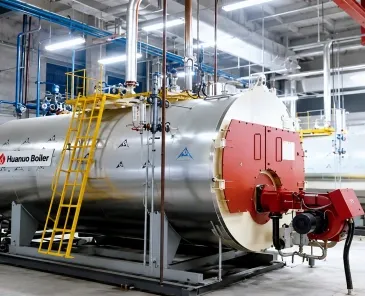
WNS12-1.25-Q

Solution
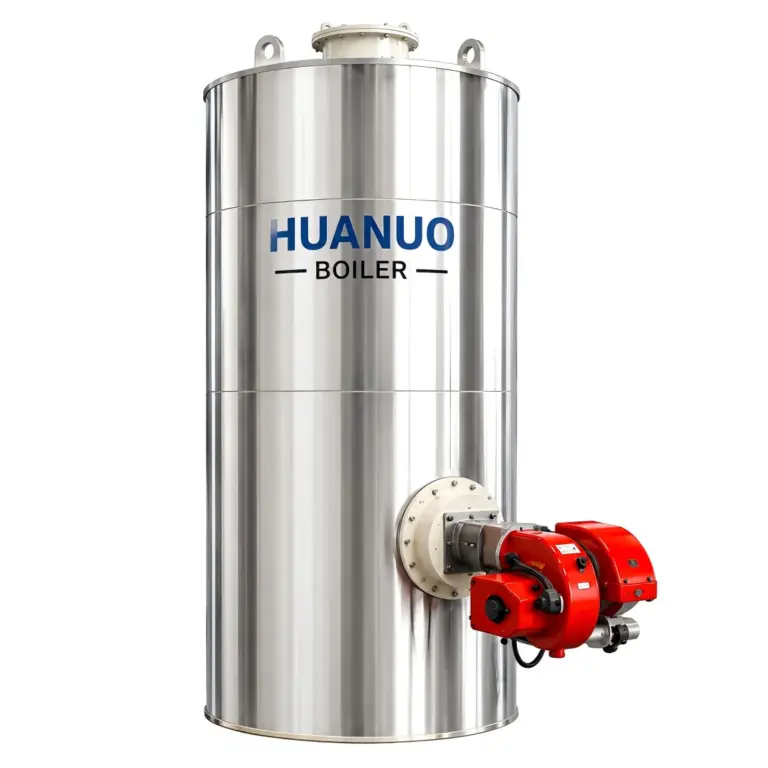
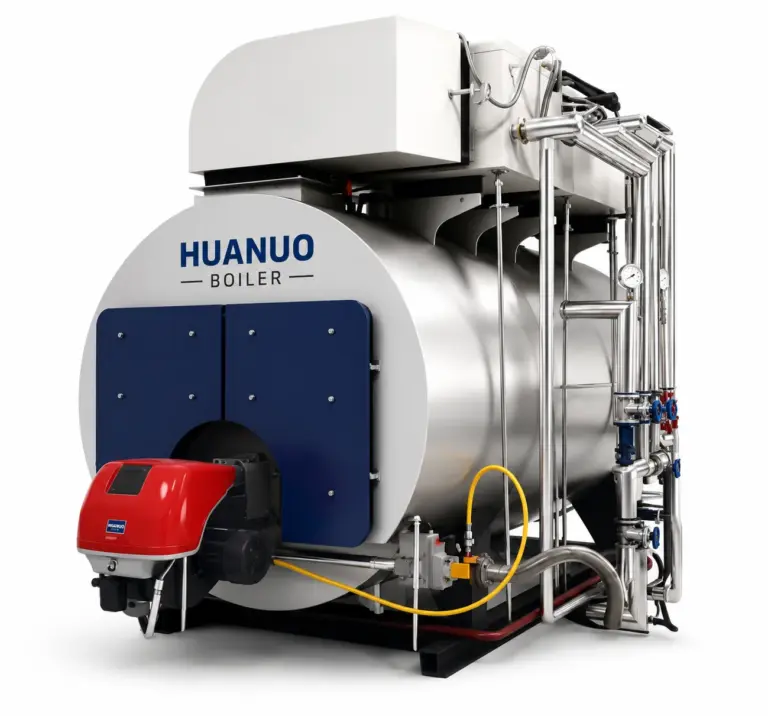
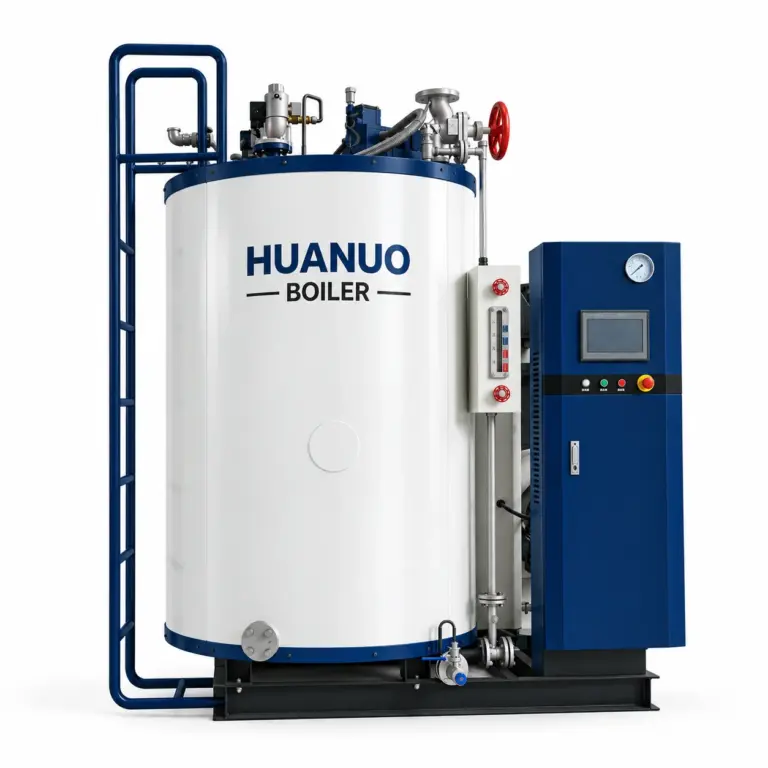
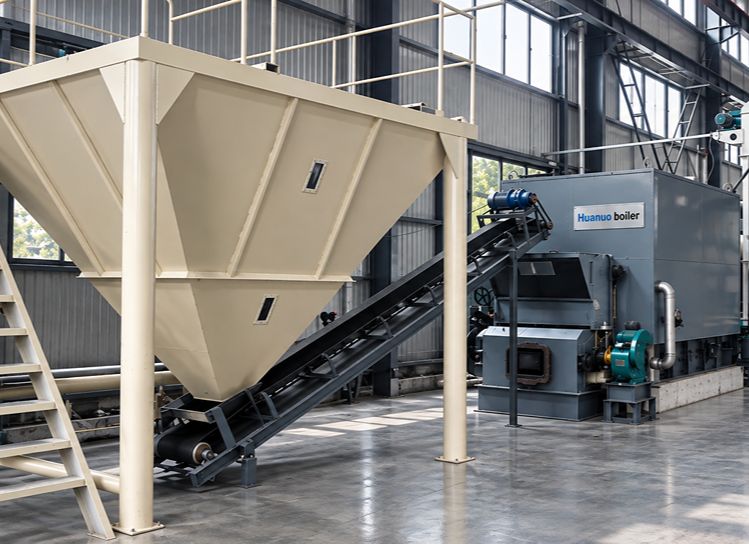
To address the continuous hot air requirements of the client’s ceramic production line, Huanuo Boiler configured the project with one WRF-120 industrial hot air furnace. The unit has a rated heating capacity of 1.4 MW, and the hot air outlet temperature can be designed and adjusted within the range of 200–300°C according to process requirements. Taking into account the client’s local fuel supply and operating cost requirements, this project employs a hot air system configuration primarily fueled by biomass. The complete system primarily includes:
Request a Solution
Once the fuel enters the combustion system, it generates high-temperature flue gas, which transfers heat to the process air through a highly efficient heat exchange structure. The heated hot air is then delivered to the customer’s drying production line via the air supply system.
Core Project Advantages
The WRF-120 hot air furnace provides customers with stable medium- to high-temperature industrial hot air. For applications such as ceramic body drying, building materials drying, chemical raw material processing, and other continuous production processes, a stable hot air temperature is essential for ensuring production continuity. Based on the customer’s production process, this project designs the system’s hot air temperature within the 200–300°C range. Through coordinated control of the combustion and air supply systems, it continuously supplies thermal energy to the production line.
The WRF series hot air furnaces offer excellent fuel adaptability. Depending on the energy supply conditions of different projects, customers can choose from:Natural gas | Diesel | Coal | Biomass fuels. In India and other regions rich in biomass resources, customers can select wood chips, biomass pellets, or other solid fuels that meet the equipment’s requirements based on local conditions. This flexible fuel configuration allows industrial users to select solutions based on local energy prices and supply conditions.
For industrial production processes requiring relatively clean hot air, the hot air furnace can utilize an indirect heat exchange method. Flue gas generated by fuel combustion flows through the heat exchange system, transferring heat to the process air. The hot air is then separated from the combustion flue gas before being delivered to the production equipment. This structure is suitable for applications such as: 1.Ceramic body drying2.Building material drying3.Drying of chemical raw materials4.Drying of food raw materials 5.Drying of wood and engineered wood panels 6.Drying of agricultural products 7.Drying of rubber and related industrial materials
The system can be equipped with a PLC-based automated control system to centrally manage fuel supply, combustion equipment, fans, and hot air temperature. Depending on the actual equipment configuration, the system can achieve:1.Automatic fuel feeding2. Hot air temperature monitoring3.Interlock control of fans4.Control of the combustion system5.Over-temperature alarms6.Abnormal air pressure alarms7.Equipment failure alarms 8.Multi-level safety interlock protection.The automated control system reduces the need for frequent manual adjustment of equipment parameters and improves the efficiency of daily operation and management.
The WRF series hot air furnaces feature a highly integrated equipment design. The combustion system, heat exchange system, and hot air system can be optimally configured to fit the customer’s on-site space, reducing the need for some of the supporting infrastructure typically required for traditional large boiler rooms. For new production lines or retrofit projects involving outdated hot air systems, customized designs can be developed based on the on-site layout.
Industrial hot air systems typically need to operate in tandem with production lines over extended periods, so the structural reliability of the equipment and ease of long-term maintenance are particularly important. The WRF series hot air furnaces are designed to meet the long-term operational requirements of industrial equipment, with a design life of over 20 years. The actual service life of the equipment depends on factors such as fuel quality, operating load, maintenance, operational management, and on-site environmental conditions.

Client Testimonial

Mike
Corporate Project Manager

Carlos M.
Director of Plant Operations
Carlos M.
Director of Plant Operations
Carlos M.
Director of Plant Operations